
Naturaleza News

Serranía de Manacacías entra al sistema de Parques Nacionales
Serranía de Manacacías becomes Colombia’s newest national park
ESPAÑOL
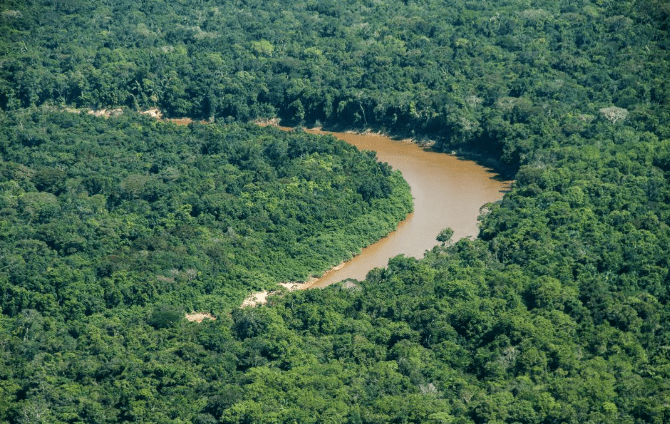
La Serranía de Manacacías, con 68.030 hectáreas, fue declarada área protegida número 61 del Sistema de Parques Nacionales Naturales de Colombia.
La nueva zona conserva 12 ecosistemas estratégicos de la Orinoquía, entre ellos sabanas estacionales, bosques de galería, palmares y una amplia red hídrica que mantiene un alto estado de conservación.
El parque registra 1.093 especies de plantas con flores y una destacada diversidad de fauna, incluidas 51 aves migratorias. Además, se reportan dos nuevas especies de mariposas para el país y dos posibles especies inéditas para la ciencia, reforzando su valor ecológico.
ENGLISH
Colombia has officially designated the Serranía de Manacacías as its newest protected area, adding 68,030 hectares to the National Natural Parks System. The new park safeguards 12 key ecosystems of the Orinoquía, including tropical seasonal savannas, gallery forests, mixed palm groves, grasslands, shrublands, and an extensive network of well‑preserved water bodies. This landscape supports 1,093 flowering plant species and a rich array of wildlife, from mammals and reptiles to fish and 51 migratory bird species. Researchers have also documented two new butterfly records for Colombia and identified two potential species new to science, underscoring the area’s ecological value.
Manglares en riesgo: la memoria del mar que alerta al Caribe colombiano
Mangroves at Risk: The Sea’s Memory Raising Alarms in the Colombian Caribbean
ESPAÑOL
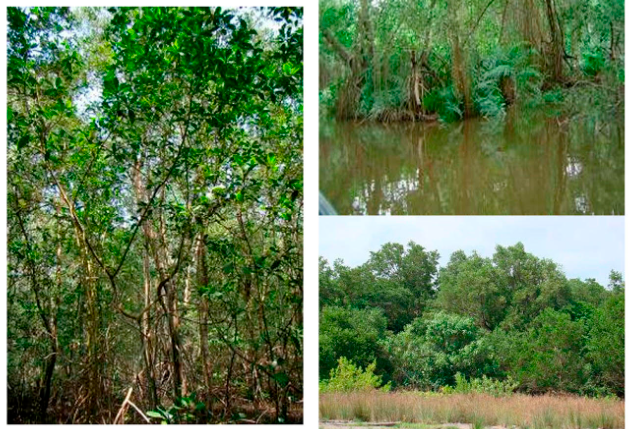
Los manglares del Caribe colombiano, guardianes de 5.000 años de memoria marina, están desapareciendo a un ritmo que deja expuestas las costas frente a eventos climáticos cada vez más extremos.
Las recientes afectaciones en los departamentos de Bolívar, Atlántico, Córdoba, Magdalena y Sucre, sumadas a una nueva alerta por frente frío, evidencian la pérdida de esta barrera natural que reduce oleaje, retiene sedimentos y estabiliza la línea de costa.
Investigaciones del Instituto de Ciencias Naturales de la UNAL, lideradas por Orlando Rangel y Alexis Jaramillo, muestran cómo transgresiones y regresiones marinas del Holoceno quedaron registradas en los sedimentos, reforzando la urgencia de proteger estos ecosistemas.
ENGLISH
Mangroves in the Colombian Caribbean hold a 5,000‑year record of the sea’s advances and retreats, yet they are now disappearing at a pace that leaves coastal zones increasingly exposed to extreme climate events. Recent impacts in Bolívar, Atlántico, Córdoba, Magdalena, and Sucre, along with a new cold‑front alert, highlight the loss of this natural barrier that stabilizes shorelines, dissipates wave energy, and traps sediments. Research from the National University of Colombia’s Institute of Natural Sciences, led by Orlando Rangel and Alexis Jaramillo, shows how Holocene marine transgressions and regressions remain preserved in sediments, underscoring the urgent need to protect these ecosystems.
Colombia será sede del XVIII Congreso de Ictiología en 2026
Colombia to Host the 18th Ichthyology Congress in 2026
ESPAÑOL
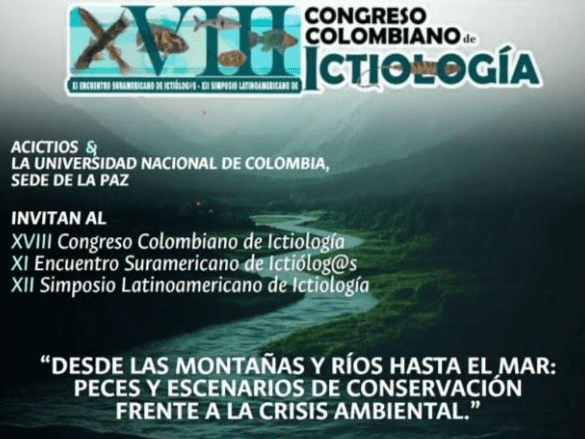
El XVIII Congreso Colombiano de Ictiología, junto al XI Encuentro Suramericano de Ictiólog@s y el XII Simposio Latinoamericano de Ictiología, se consolida como una de las citas científicas más relevantes de la región.
Organizado por ACICTIOS y la Universidad Nacional de Colombia – Sede La Paz, el encuentro reunirá a especialistas para analizar la biodiversidad íctica y los desafíos de conservación frente a la crisis ambiental.
La agenda del Congreso destaca investigaciones sobre ríos, montañas y ecosistemas marinos, así como nuevas estrategias de manejo sostenible. Un espacio clave para actualizar conocimiento, fortalecer redes y proyectar la ciencia latinoamericana.
ENGLISH
The 18th Colombian Ichthyology Congress, together with the 11th South American Ichthyologists Meeting and the 12th Latin American Ichthyology Symposium, stands as one of the region’s most significant scientific gatherings. Organized by ACICTIOS and the National University of Colombia – La Paz Campus, the event will bring together specialists to examine fish biodiversity and the conservation challenges posed by the environmental crisis. The program highlights research on rivers, mountain ecosystems, and marine environments, along with emerging strategies for sustainable management. It is a key space for updating knowledge, strengthening networks, and advancing Latin American scientific collaboration.
Colombia Belleza Pura…La Naturaleza es Noticia
Edición Digital/@CBP